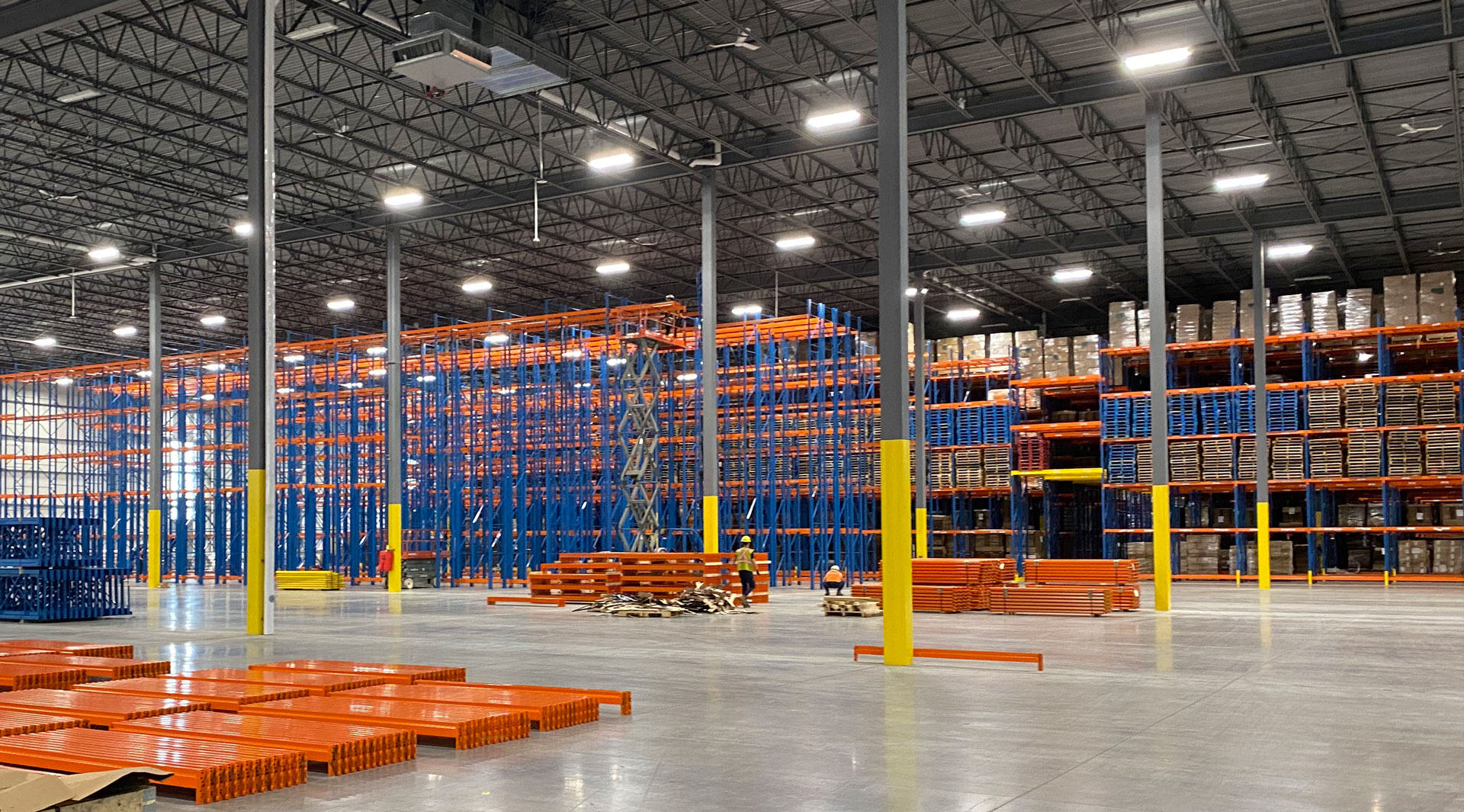
In the realm of logistics and supply chain management, efficient warehouse storage solutions are pivotal to ensuring operational success. Among these solutions, pallet racking stands out as a versatile and effective method to optimize space and streamline processes. Understanding the intricacies of pallet racking systems can significantly enhance the productivity and functionality of a warehouse. This article delves into the key aspects of pallet racking, offering valuable insights to enhance warehouse storage strategies.
The Basics of Pallet Racking
Pallet racking is a material handling storage aid system designed to store materials on pallets in horizontal rows with multiple levels. It is a crucial component in warehouses, distribution centers, and manufacturing facilities. The primary aim is to maximize storage capacity while providing organized and easy access to stored items.
Types of Pallet Racking Systems
Choosing the right pallet racking system depends on factors such as available space, inventory type, and retrieval frequency. Some common types include:
- Selective Pallet Racking: The most common type, offering direct access to each pallet. Ideal for warehouses with a wide variety of products.
- Drive-In/Drive-Through Racking: Allows forklifts to drive directly into the rack, suitable for high-density storage of homogeneous products.
- Push Back Racking: Utilizes a series of carts on inclined rails, allowing for high-density storage and easy pallet retrieval.
- Pallet Flow Racking: Uses gravity rollers for first-in, first-out storage, optimal for perishable goods.
Discover expert strategies here.
Benefits of Efficient Pallet Racking
Implementing an efficient pallet racking system can yield numerous advantages, including:
- Space Optimization: Maximizes vertical and horizontal space, allowing for increased storage capacity without expanding the physical footprint.
- Improved Inventory Management: Facilitates better organization and tracking of inventory, reducing the likelihood of errors.
- Enhanced Safety: Properly installed racking systems minimize the risk of accidents and injuries in the warehouse setting.
- Cost Efficiency: Reduces overhead costs by improving storage efficiency and minimizing damage to goods.
Learn about our tailored solutions.
Considerations for Implementing Pallet Racking
Before implementing a pallet racking system, several factors must be considered to ensure optimal performance and safety:
- Warehouse Layout: Understanding the warehouse’s dimensions and workflow is essential for selecting the appropriate racking system.
- Load Capacity: Accurate assessment of load weight and dimensions is crucial to prevent overloading and ensure structural integrity.
- Regulatory Compliance: Adhering to local safety standards and regulations is mandatory to avoid legal liabilities and ensure worker safety.
Explore advanced guides and tips.
Future Trends in Pallet Racking
The evolution of technology continues to influence pallet racking systems, with trends focusing on automation and sustainability:
- Automated Systems: Integration of automated storage and retrieval systems (AS/RS) enhances efficiency and reduces labor costs.
- Sustainable Solutions: Increasing emphasis on eco-friendly materials and energy-efficient designs to reduce environmental impact.
- Smart Technology: Implementation of smart sensors and IoT devices for real-time inventory tracking and management.
Find out more about this approach.
In conclusion, the strategic implementation of pallet racking systems can significantly enhance a warehouse’s productivity, organization, and safety. By understanding the various types of racking systems available and their respective benefits, businesses can make informed decisions that align with their operational goals. For those seeking to optimize their warehouse storage solutions, exploring the latest trends and expert insights is a pivotal step towards achieving excellence in warehousing operations.