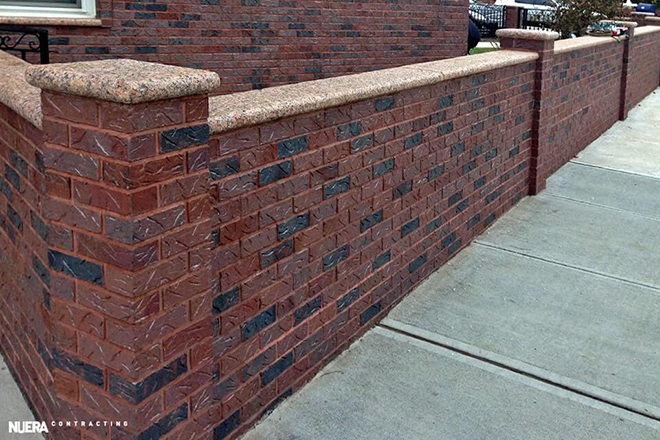
Waterproofing is a critical aspect of construction that protects buildings from water damage, enhancing their longevity and structural integrity. Proper waterproofing prevents water ingress, which can lead to mold growth, structural weaknesses, and deterioration of building materials. As such, understanding the various waterproofing methods and services available is essential for anyone involved in construction or property maintenance. This article delves into efficient waterproofing construction services, exploring the methods, benefits, and considerations involved.
Understanding Waterproofing Methods
There are several methods used in waterproofing, each suited for different types of structures and environmental conditions. Here are some commonly employed techniques:
- Liquid Membrane: This method involves applying a liquid coating that forms a rubber-like waterproof layer. It is flexible and suitable for surfaces that may experience movement.
- Sheet Membrane: Utilizes pre-formed sheets that are applied to surfaces. These are often made from materials like PVC or rubber, offering durability and ease of application.
- Cementitious Waterproofing: A straightforward method involving a cement-based coating that is ideal for internal wet areas like bathrooms.
- Bituminous Coating: Commonly used for waterproofing roofs, this method involves applying a sticky, black, and highly viscous substance.
- Polyurethane Waterproofing: Offers excellent durability and flexibility, making it suitable for areas exposed to weathering.
For a more detailed understanding of these methods, explore further insights here.
Key Benefits of Effective Waterproofing
Implementing efficient waterproofing solutions offers several benefits, including:
- Protection from Water Damage: Prevents water ingress that can compromise the structural integrity of a building.
- Mold Prevention: Reduces the risk of mold growth, which can cause health issues and additional maintenance costs.
- Increased Property Value: Well-maintained, waterproofed properties are more attractive to buyers and tenants.
- Energy Efficiency: Proper waterproofing helps maintain internal temperatures, reducing energy consumption for heating and cooling.
- Cost-Effectiveness: Preventing water damage reduces the need for costly repairs and extends the lifespan of building materials.
Learn more in this detailed guide about the advantages of waterproofing.
Considerations for Choosing Waterproofing Services
When selecting a waterproofing service, consider the following factors to ensure an efficient solution:
- Type of Structure: Different structures, such as residential buildings, commercial spaces, or industrial facilities, have unique waterproofing needs.
- Climate Conditions: The local climate and weather patterns will influence the choice of waterproofing methods.
- Surface Material: The material of the surface to be waterproofed can affect the compatibility and effectiveness of certain waterproofing products.
- Budget: Consider the cost-effectiveness of the waterproofing solution in relation to its long-term benefits.
- Professional Expertise: Engage experienced professionals who can provide tailored solutions and ensure proper application.
For additional information on selecting the right waterproofing services, find additional information here.
Conclusion
Efficient waterproofing is an essential component of building construction and maintenance, offering protection against water damage and improving the longevity of structures. By understanding various methods and considering key factors such as climate and structure type, property owners and construction professionals can implement effective waterproofing solutions. For those seeking to enhance their understanding of waterproofing services, read more about this topic to make informed decisions.