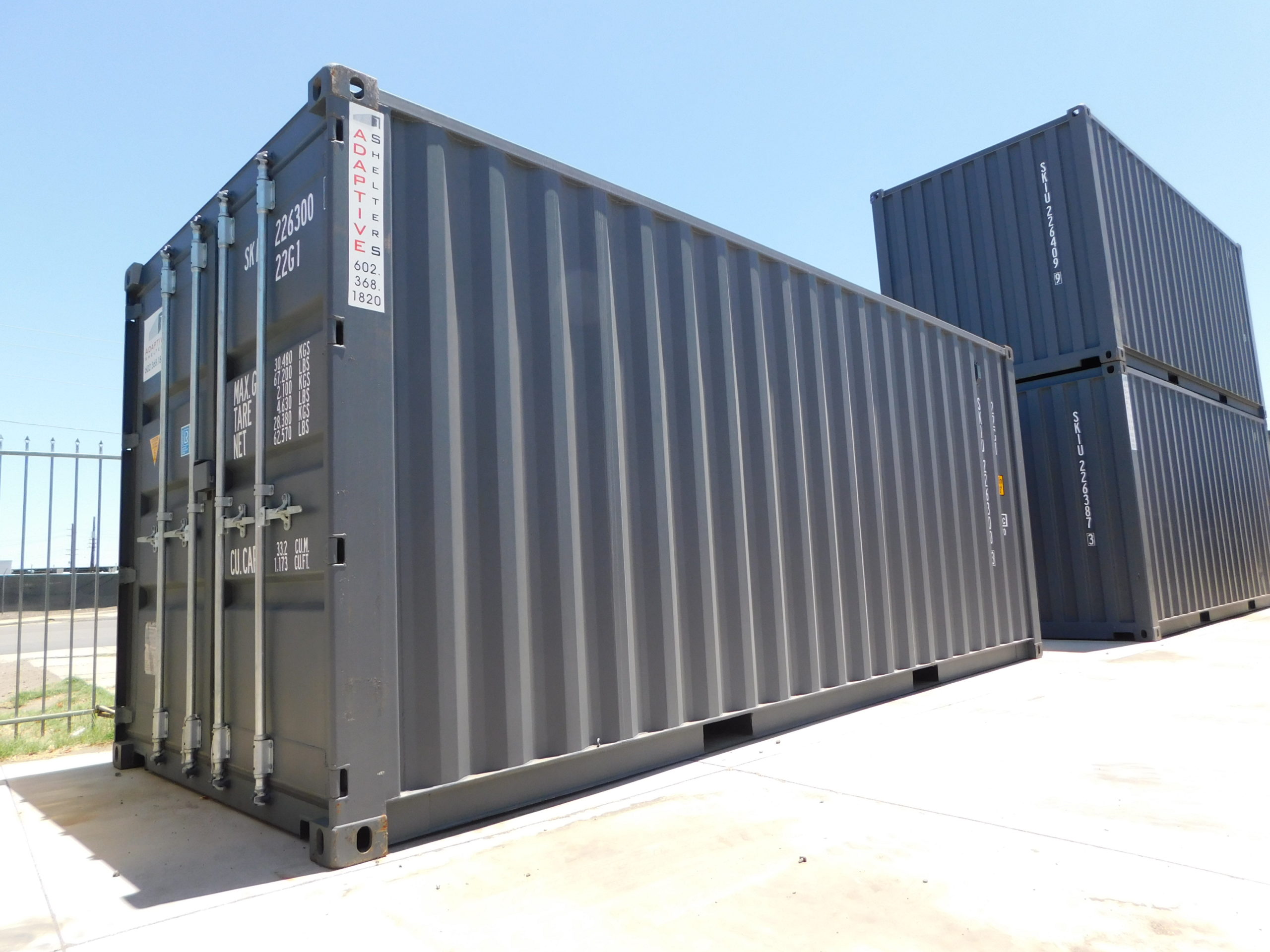
In the ever-evolving landscape of construction, efficiency and customization are paramount. Modular construction has emerged as a revolutionary solution, allowing businesses to maximize resource allocation, reduce waste, and expedite project timelines. This innovative approach to building offers numerous advantages, making it an attractive option for projects of all sizes. As the demand for customizable and efficient building solutions increases, understanding the benefits and applications of custom modular construction becomes crucial for industry professionals and stakeholders.
Understanding Modular Construction
Modular construction involves the fabrication of building sections, or modules, in a controlled factory setting. These modules are then transported to the construction site and assembled like building blocks to form a complete structure. This method not only enhances precision but also significantly reduces construction time.
Key Benefits
- Speed: Projects can be completed 30-50% faster than traditional methods due to simultaneous on-site preparation and module fabrication.
- Cost-Effectiveness: Reduced labor costs and material waste lead to substantial savings.
- Quality Control: Factory settings ensure stringent quality checks and adherence to standards.
- Flexibility: Modules can be customized to meet specific design and functional requirements.
- Environmental Impact: Less waste and sustainable materials contribute to greener construction practices.
Applications of Custom Modular Construction
Custom modular construction is versatile and can be applied across various sectors, from residential to commercial projects. Its adaptability makes it ideal for:
- Residential Buildings: From single-family homes to multi-unit apartments, modular construction offers tailored living spaces.
- Commercial Spaces: Retail outlets, offices, and warehouses can be rapidly developed with specific business needs in mind.
- Healthcare Facilities: Hospitals and clinics benefit from quick build times and customizable designs to accommodate medical needs.
- Educational Institutions: Schools and universities can expand efficiently with modular classrooms and facilities.
- Remote Infrastructure: Ideal for remote locations where traditional construction is challenging and costly.
Maximizing Efficiency with Customization
The true power of modular construction lies in its ability to be customized. By tailoring each module to specific project requirements, businesses can optimize space, functionality, and aesthetic appeal. Discover expert strategies here to leverage customization effectively.
Tailored Solutions for Unique Needs
Custom modular construction allows for:
- Design Flexibility: Adapt layouts and finishes to match client preferences and branding.
- Scalability: Easily expand or modify structures to accommodate growth or changes in use.
- Integration of Advanced Technologies: Incorporate smart technology and modern amenities seamlessly.
By focusing on customization, businesses can create environments that are not only functional but also reflective of their brand and mission. Learn about our tailored solutions to enhance project outcomes.
Future of Modular Construction
As technology advances, the modular construction industry is poised for further innovation. The integration of digital tools, such as Building Information Modeling (BIM), enhances precision and streamlines project management. Additionally, sustainable practices continue to evolve, promoting eco-friendly construction. Explore advanced guides and tips to stay ahead in this dynamic field.
With its myriad benefits and applications, modular construction is set to redefine the future of building. As industries increasingly seek efficient and sustainable solutions, the adoption of modular methods will likely accelerate. Find out more about this approach to ensure projects are completed with ingenuity and excellence.