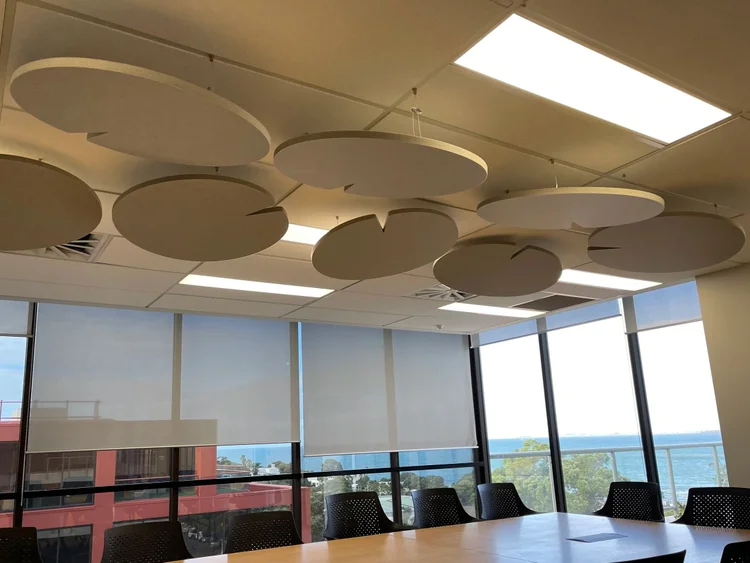
Acoustic panels are essential in various environments, from recording studios to office spaces, to control sound quality and reduce noise pollution. Professional installation of acoustic panels is crucial to maximize their effectiveness and ensure that they blend seamlessly into the space. This article offers a comprehensive overview of the considerations, benefits, and steps involved in the professional installation of acoustic panels.
Understanding Acoustic Panels
Acoustic panels are designed to absorb sound waves, minimizing reverberation and echo within a room. These panels are typically made from materials such as foam, fabric, or wood, and are available in various sizes and colors to complement any d??cor.
Benefits of Acoustic Panels
- Sound Absorption: They help in absorbing sound waves, reducing noise levels and enhancing sound clarity.
- Improved Acoustics: Ideal for recording studios, theaters, and conference rooms to ensure optimum sound quality.
- Aesthetic Appeal: Available in various designs and finishes that can enhance the visual appeal of a space.
- Increased Privacy: Useful in offices and meeting rooms to prevent sound from traveling between spaces.
Key Considerations for Installation
When planning for the installation of acoustic panels, several factors need to be considered to ensure effective results. Find additional information here.
Room Analysis
Understanding the room’s dynamics is essential. This includes evaluating the size, shape, and purpose of the space. A detailed room analysis helps in determining the number and type of panels required.
Type of Panels
Choosing the right type of panel is crucial. Options include:
- Wall Panels: Best for general sound absorption.
- Ceiling Panels: Effective in spaces with high ceilings to prevent echo.
- Corner Bass Traps: Designed to absorb low-frequency sounds often found in corners.
Explore further insights here on selecting the right panels for your space.
Placement Strategy
Strategic placement is vital for optimal performance. Panels should be placed where sound waves are most likely to bounce, such as opposite speakers or in corners. Read more about this topic by visiting this detailed guide.
Steps for Professional Installation
Professional installation of acoustic panels involves several key steps, each essential for ensuring the panels function as intended.
Preparation
- Measurement: Accurate measurement of walls and ceilings to determine the number of panels required.
- Surface Cleaning: Ensuring surfaces are clean and dry to allow panels to adhere properly.
Installation Process
- Marking: Marking exact spots on the walls or ceilings for precise placement.
- Attachment: Using appropriate adhesives or mounting brackets to secure the panels.
- Alignment: Ensuring panels are aligned correctly for both aesthetic and functional purposes.
Learn more in this detailed guide about the tools and techniques used during the installation process.
Post-Installation Evaluation
After installation, it is important to evaluate the effectiveness of the acoustic panels. This involves checking the sound quality and ensuring that the panels are securely mounted. Explore further insights here regarding post-installation maintenance and adjustments.
In conclusion, the professional installation of acoustic panels is a meticulous process that requires careful planning and execution. By considering the unique needs of the space and following a structured installation process, acoustic panels can significantly enhance both the functionality and aesthetics of any environment.