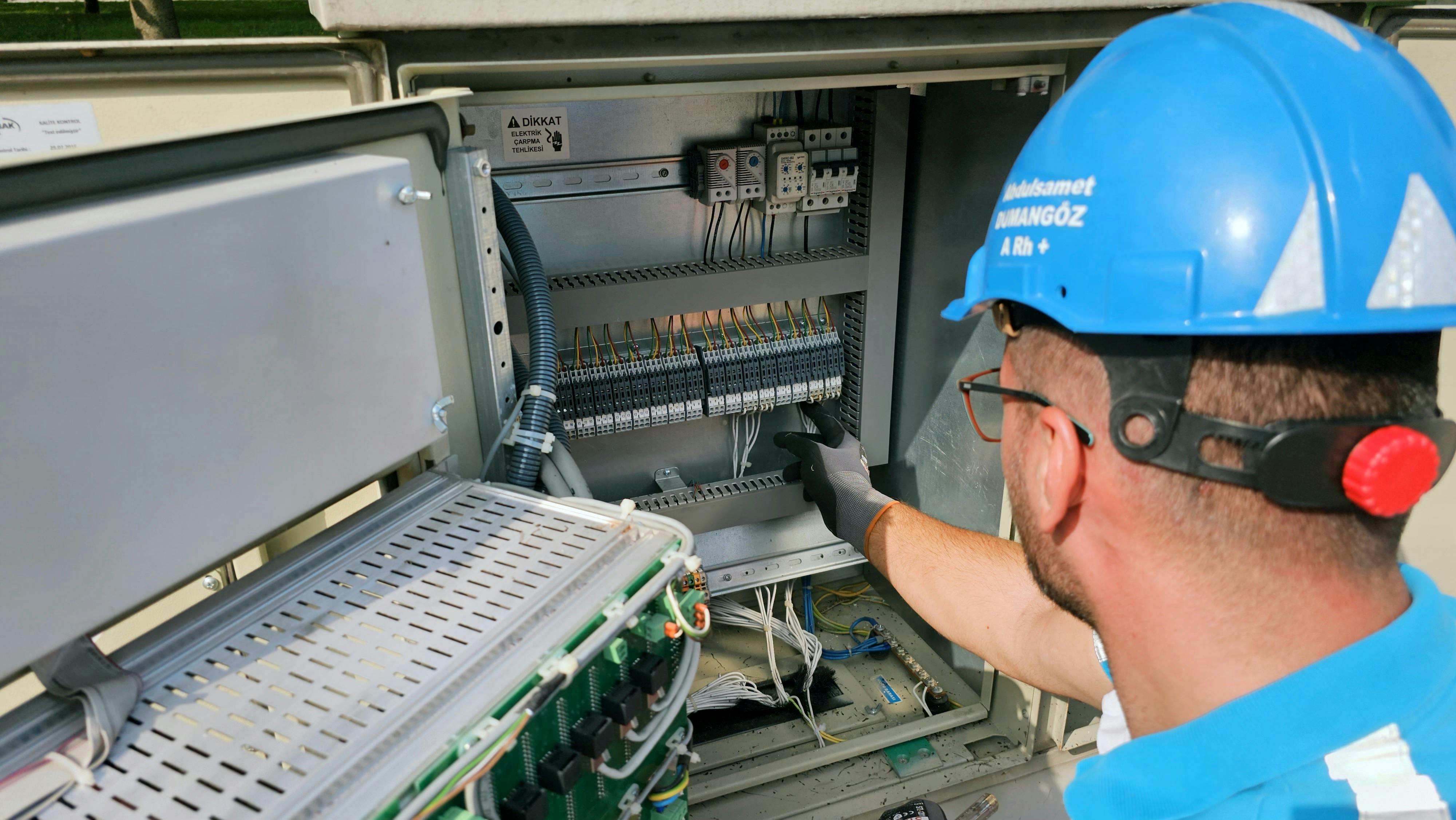
When a household electrical system malfunctions, safety, convenience, and peace of mind become immediate concerns. Whether it is a flickering light, a tripped circuit breaker, or a more complex wiring issue, having access to a qualified electrician who understands the unique demands of Brisbane homes is essential. This article outlines the key considerations for selecting a professional electrician, the typical range of home electrical repairs, and best practices for maintaining a safe and efficient electrical environment.
Why Professional Expertise Matters
Electrical work involves high-risk elements that require specialized knowledge, up-to-date training, and compliance with Australian standards. A licensed electrician brings:
- In-depth understanding of the Queensland Electrical Safety Act.
- Ability to diagnose hidden faults that could lead to fire hazards.
- Access to certified tools and equipment for precise repairs.
- Documentation that satisfies insurance and resale requirements.
For a deeper dive into the regulatory framework, Read more about this topic.
Common Home Electrical Repairs
Lighting Issues
Lighting problems are among the most frequent service calls. Typical causes include:
- Loose connections in light fixtures.
- Faulty switches or dimmers.
- Worn-out bulbs that affect ballast performance.
Addressing these issues promptly prevents unnecessary energy waste and reduces the risk of electrical arcs. Learn more in this detailed guide.
Circuit Breaker Failures
Circuit breakers protect a home’s wiring from overloads, but they can wear out or trip repeatedly due to:
- Excessive load on a single circuit.
- Moisture intrusion causing short circuits.
- Age-related mechanical failure.
Replacing or upgrading a breaker should be performed by a qualified professional to ensure proper rating and coordination with the main panel. Explore further insights here.
Wiring and Rewiring
Older homes often contain outdated wiring such as cloth-covered cables or aluminum conductors. Modern safety standards recommend:
- Replacing deteriorated insulation.
- Installing dedicated circuits for high-draw appliances.
- Using colour-coded, PVC-sheathed wires for easier identification.
Comprehensive rewiring projects improve reliability and increase property value. Find additional information here.
Choosing the Right Electrician
While many practitioners offer similar services, certain criteria help differentiate a truly professional provider:
- Licensing and Certification: Verify that the electrician holds a valid Queensland electrical licence.
- Experience with Residential Projects: Look for a track record of handling home repairs, not just commercial or industrial work.
- Transparent Pricing: Detailed quotes that break down labour, materials, and any potential additional charges.
- Compliance Documentation: Ability to provide certificates of compliance after work completion.
Safety Practices for Homeowners
Even with a professional handling major repairs, homeowners can adopt simple habits to maintain a safe electrical environment:
- Never overload power strips or extension cords.
- Test GFCI outlets monthly by pressing the “test” button.
- Keep water away from electrical fixtures, especially in kitchens and bathrooms.
- Schedule regular inspections, particularly before major renovations.
Maintenance Checklist
Regular maintenance reduces unexpected failures and extends the lifespan of electrical components. Use the following checklist as a guide:
- Inspect visible wiring for cracks, fraying, or discoloration.
- Check all switches and outlets for warmth or unusual sounds.
- Verify that smoke detectors are functional and have fresh batteries.
- Review the main breaker panel for signs of corrosion or loose terminals.
- Document any changes or repairs for future reference.
When to Call a Professional
Some situations clearly indicate the need for immediate professional intervention:
- Frequent tripping of circuit breakers despite reduced load.
- Burning smell or visible sparks from outlets or switches.
- Power loss affecting multiple rooms simultaneously.
- Visible damage to wiring after a storm or water intrusion.
Delaying service in these scenarios can lead to hazardous conditions, including electrical fires. For guidance on emergency protocols, Read more about this topic.
Conclusion
Ensuring a safe, reliable electrical system in a Brisbane home hinges on engaging qualified professionals, adhering to regular maintenance routines, and staying informed about best practices. By understanding the scope of typical repairs, the importance of licensing, and the key safety measures, homeowners can make confident decisions that protect both their property and their loved ones. Continuous learning and proactive upkeep are the cornerstones of a well-functioning electrical environment.