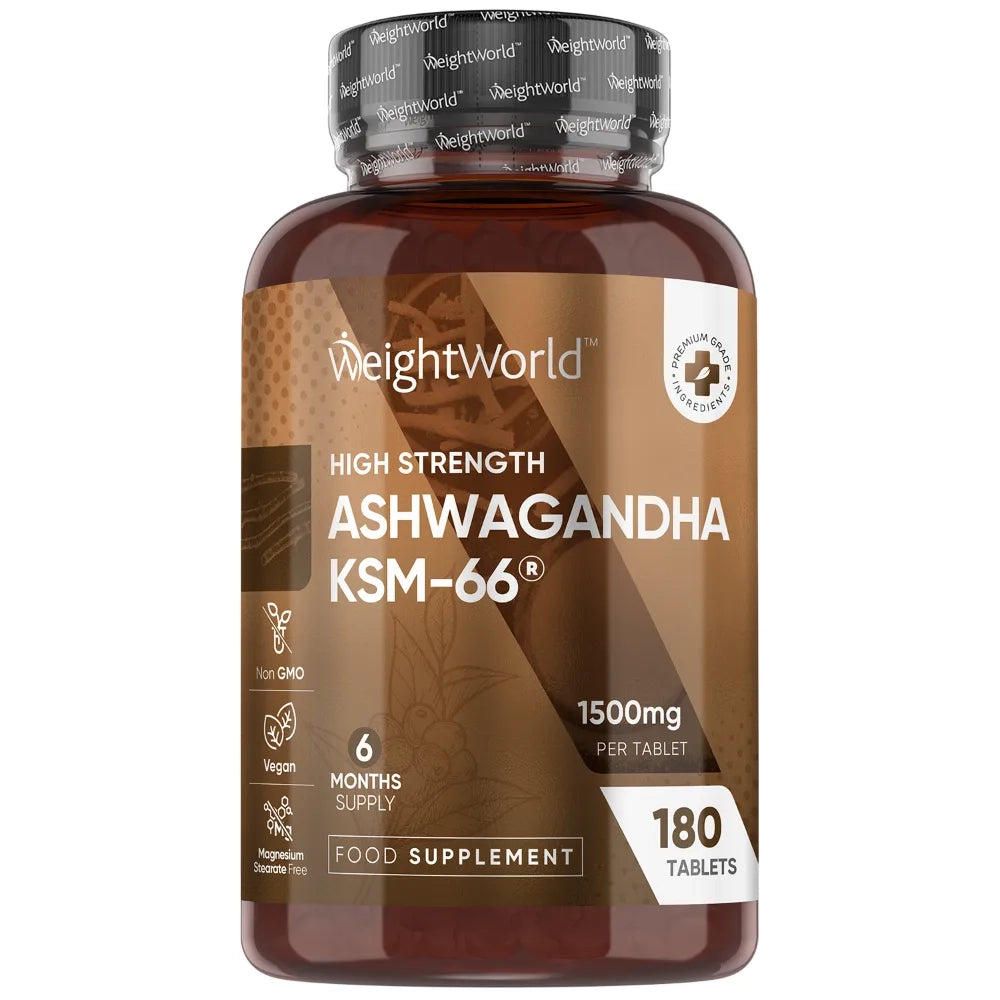
Ashwagandha has moved from a traditional Ayurvedic herb to a mainstream supplement praised for its adaptogenic benefits, stress-relief properties, and support for physical performance. With a surge of products on the market, powders, capsules, liquid extracts, and even gummies, selecting the right formulation can feel overwhelming. This guide breaks down the key factors to consider, helping you make an evidence-based decision that aligns with personal health goals, dietary preferences, and quality standards.
Understanding Ashwagandha: Forms and Potency
Before diving into product specifics, it’s helpful to grasp the basic science behind the herb.
Root vs. Leaf Extract
- Root extract contains the highest concentration of withanolides, the active steroidal lactones responsible for most of the herb’s therapeutic effects.
- Leaf extract generally offers lower withanolide levels but may be used in blends for added antioxidant benefits.
Standardized Extracts
- Most reputable supplements standardize to 5% withanolides (approximately 300″?mg per 600″?mg capsule).
- Some premium products use the KSM-66 or Sensoril processes, which guarantee consistent potency and bioavailability.
Key Criteria for Evaluating Quality
When reviewing options, focus on these objective markers rather than marketing hype.
- Third-party testing: Look for certificates of analysis (COA) from independent labs confirming purity, potency, and the absence of heavy metals or pesticides.
- Source of raw material: Organic, non-GMO cultivation in regions such as India’s Deccan plateau often yields a cleaner product.
- Extraction method: Cold-water or alcohol-based extractions preserve the full spectrum of withanolides without degrading delicate compounds.
- Dosage form: Capsules provide precise dosing; powders allow flexible intake; gummies offer convenience but may contain added sugars.
- Additional ingredients: Avoid unnecessary fillers, artificial colors, or allergens unless they serve a clear purpose (e.g., black pepper extract for enhanced absorption).
Matching the Supplement to Your Goals
Different health objectives may call for specific formulation choices.
Stress Management & Sleep
- Standardized root extracts (5% withanolides) taken 300-500″?mg twice daily have the strongest evidence for cortisol reduction.
- Products that combine ashwagandha with calming botanicals such as L-theanine or magnesium can enhance relaxation without sedation.
Physical Performance & Muscle Recovery
- Higher daily doses (600-800″?mg) of KSM-66 have been linked to increased strength and reduced exercise-induced muscle damage.
- Formulations that include branched-chain amino acids (BCAAs) or electrolytes may provide synergistic benefits for athletes.
Cognitive Support
- Combining ashwagandha with phosphatidylserine or Lion’s Mane mushroom extract can further support memory and focus.
- Look for products that are free of stimulants if a calm, steady mental state is desired.
How to Verify Authenticity
Even with a solid ingredient list, confirming authenticity is essential.
- Check the manufacturer’s website for a Discover expert strategies here page that details sourcing and testing protocols.
- Read customer reviews for real-world feedback on taste, gastrointestinal tolerance, and efficacy.
- Confirm that the label includes the batch number and manufacturing date, signals of good manufacturing practice (GMP) compliance.
Pricing Considerations
Price alone does not dictate quality, but it can reflect the level of testing and ingredient sourcing.
- Budget options (<"??15 for 60 capsules) may use lower-strength extracts or lack third-party verification.
- Mid-range products (?20-?35) typically offer standardized 5% withanolides and basic COA documentation.
- Premium lines (?40 and above) often feature KSM-66 or Sensoril, organic certification, and comprehensive lab reports.
When budgeting, weigh the cost against the intended dosage frequency and the duration of use. A higher-priced supplement taken less often may be more economical in the long run.
Integrating Ashwagandha into a Daily Routine
Consistency is key for adaptogens. Here are practical tips for seamless incorporation.
- Take capsules with a meal containing healthy fats to improve absorption.
- If using powder, blend 1-2″?tsp into smoothies, oatmeal, or warm milk.
- For nighttime use, pair a low-dose gummy with a calming tea to promote sleep.
- Track progress in a journal, note changes in stress levels, sleep quality, and workout performance.
Potential Interactions and Safety
Ashwagandha is generally well tolerated, but certain populations should exercise caution.
- Individuals on thyroid medication should monitor hormone levels, as ashwagandha can modestly increase thyroid hormone production.
- Those taking sedatives or benzodiazepines may experience enhanced calming effects.
- Pregnant or breastfeeding women should consult a healthcare professional before supplementation.
Where to Purchase a Trusted Product
Choosing a reputable retailer reduces the risk of counterfeit or sub-standard supplements.
For a curated selection that meets the criteria outlined above, Explore advanced guides and tips on a dedicated collection page. The site provides detailed product pages, COA links, and transparent sourcing information, making it easier to align the supplement with personal health objectives.
Final Checklist
- Standardized root extract with ???5% withanolides
- Third-party COA confirming purity
- Organic, non-GMO sourcing
- Appropriate dosage form for lifestyle
- Price aligned with quality and intended use
By systematically evaluating each of these factors, selecting the right ashwagandha supplement becomes a straightforward, evidence-based process. Whether the goal is stress reduction, enhanced athletic performance, or cognitive clarity, the right product can serve as a reliable ally on the path to optimal wellbeing.
For further reading and a deeper dive into formulation specifics, Find out more about this approach and stay informed about the latest research developments.