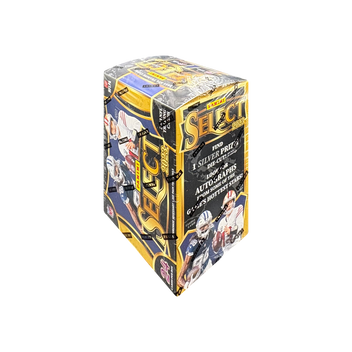
Collecting vintage trading cards has evolved from a nostalgic hobby into a sophisticated investment strategy. The market for classic sports cards continues to thrive, driven by passionate collectors, seasoned investors, and a growing appreciation for the cultural significance of these pieces. Understanding how to assess condition, rarity, and provenance can unlock substantial value, especially when the cards are sourced from a reputable Sports Memorabilia Store. This guide explores the key factors that determine worth, offers practical steps for appraisal, and highlights ways to maximize returns while preserving the integrity of each card.
Why Vintage Trading Cards Hold Their Value
Several intrinsic and extrinsic factors contribute to the enduring appeal of vintage cards:
- Historical Significance: Cards featuring legendary athletes capture moments that are impossible to replicate.
- Limited Production: Early sets were often printed in small runs, creating natural scarcity.
- Condition Sensitivity: Minor imperfections can dramatically affect market price, making grading essential.
- Collector Demand: A dedicated community drives consistent buying interest, especially for iconic players.
Key Milestones in Card History
Recognizing the era in which a card was produced helps place it within the broader market context. Notable periods include:
- The Vintage Trading Cards era (1930s-1970s), where many first-year inserts originated.
- The 1980s boom, marked by the introduction of high-volume, glossy sets.
- The modern resurgence (2000s-present), featuring premium inserts and limited-edition releases.
Assessing Card Condition
Condition is the single most influential factor in valuation. Professional grading services provide a standardized scale from 1 (Poor) to 10 (Gem Mint). While a full grading can be costly, a basic visual assessment can still guide pricing decisions.
Visual Checklist
- Centering – symmetrical placement of the image within the borders.
- Edges – free of chipping, fraying, or whitening.
- Surface – no scratches, stains, or print defects.
- Corners – sharp, with minimal wear.
Establishing Rarity and Authenticity
Rarity is not solely about low production numbers; it also encompasses variations such as error cards, limited-edition inserts, and autographed pieces. Authenticity can be confirmed through:
- Original packaging or receipts from a reputable Trading Card Store.
- Third-party authentication services (e.g., PSA, Beckett).
- Comparative research using online databases and recent auction results.
Effective Ways to Maximize Value
Once a collection’s worth is understood, several strategies can enhance its marketability:
Professional Grading
Submitting high-potential cards to a recognized grading service often yields a significant price premium, especially for cards that achieve a 9 or 10 rating.
Strategic Listing
- Choose platforms with a strong collector base, such as an Online Sports Card Store.
- Provide high-resolution images that showcase condition details.
- Include comprehensive provenance information to build buyer confidence.
Timing the Market
Seasonal trends, like the lead-up to major sporting events, can create spikes in demand. Monitoring auction houses and price guides helps identify optimal selling windows.
Preservation Best Practices
Maintaining the condition of vintage cards is essential for preserving value. Follow these preservation guidelines:
- Store cards in acid-free sleeves and top-loaders.
- Keep them in a climate-controlled environment (temperature 65-70??F, humidity 40-50%).
- Avoid direct sunlight and excessive handling.
Conclusion
Unlocking the value of vintage trading cards requires a blend of knowledge, meticulous assessment, and strategic action. By understanding historical context, evaluating condition, confirming rarity, and employing professional grading and thoughtful sales tactics, collectors can turn cherished memorabilia into valuable assets. Engaging with a trusted Sports Card Store provides access to expertise and resources that streamline the process, ensuring each card receives the recognition, and price, its legacy deserves.